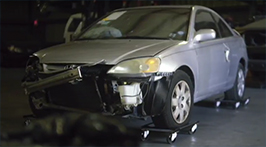
In the event of a natural disaster, it is vital for you and your family to be prepared. Earthquakes and tsunamis can strike without warning, and hurricanes and floods can cause major property damage, environmental hazards, and even loss of life. By becoming aware of preparedness and safety tips, you can increase your chances of survival in a disaster situation and lessen the impact the storm, flood, tsunami, or earthquake has on you and your property.
Hurricane Safety
Tropical storm systems, often called hurricanes, can lead to large-scale flooding, storm surges, heavy rains, high winds, massive power outages, and even tornadoes. Coastal regions are generally at a greater risk of hurricane damage, but all areas hit by a hurricane can experience heavy rains and strong winds lasting anywhere from three days to two weeks. The U.S. Federal Emergency Management Agency (FEMA) has outlined certain safety issues that may create new dangers during or after a hurricane. It is important to be aware of the following hazards:
- Carbon monoxide exhaust from portable generators, charcoal grills, and camping stoves can lead to death within minutes if the odorless and colorless exhaust is inhaled; do not operate the devices near buildings or inside homes or garages
- Water-damaged carpets, furniture, mattresses, insulation, toys, ceiling tiles, and window treatments can have microorganisms that may cause allergic reactions or infections; wet items should be thrown out immediately after a flooding situation
- Wet appliances (electrical or gas) can pose electric shock and fire hazards
- Medications that have gotten wet should be thrown away
Flood Safety
The nation’s most common natural disaster, flooding can occur anywhere over a period of several days of heavy rains, or in the case of a flash flood that develops quickly in just a few minutes. Severe flooding sometimes results in fast-moving water that can carry dangerous debris, rocks, mud, housing materials, cars, and even people in its path. If you live in areas that are at a high flood risk, it is important to keep the following tips in mind:
- Elevate the furnace, water heater, and electrical panel in your home
- Turn off utilities if instructed to do so after a flood
- Always avoid floodwaters, as they may be contaminated by oil, gasoline, sewage, or may be electrically charged from downed power lines
- Don’t drive in flooded areas, as you could easily be swept away (one foot of floodwater can float most vehicles, and two feet of water can carry away SUVs and trucks)
- Avoid downed power lines
- Clean and disinfect all surfaces that were touched by floodwaters
- Inspect damaged septic tanks and other sewage or drainage systems for health hazards
Earthquake Safety
Earthquakes can occur suddenly and without warning, and nearly every region of the U.S. is at risk for earthquake activity. Damage usually occurs when an earthquake’s magnitude is above a 4 or a 5 on the Richter magnitude scale. Earthquakes can cause windows to break, buildings to collapse, roads to buckle, tsunamis, flooding, landslides, and other large-scale damages.
It is important to keep in mind the following safety tips during and after an earthquake:
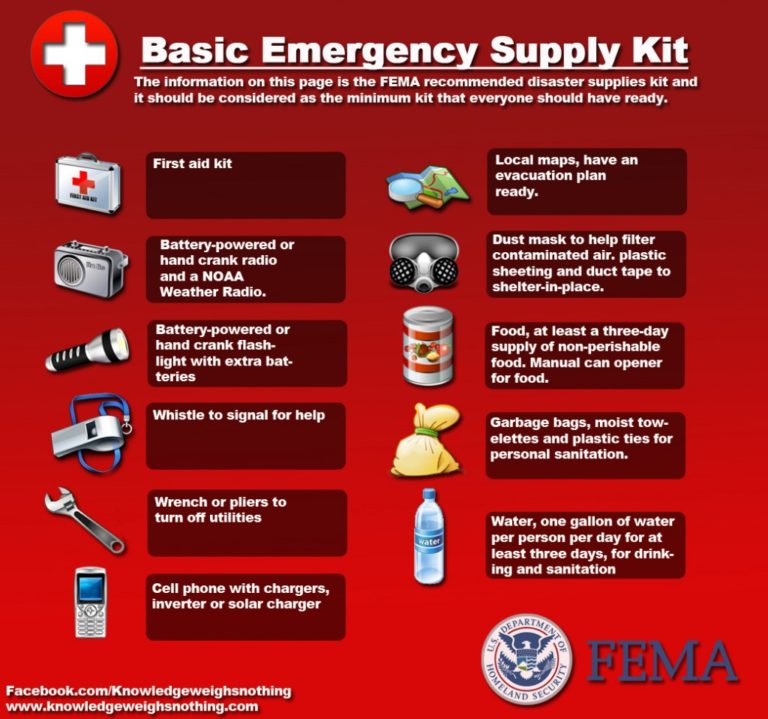
- Have an emergency kit prepared
- Know how to shut off your home’s gas, electricity, and water supplies
- Install door latches, braces, and fasteners to secure items and top-heavy furniture, shelving units, the water heater, and other heavy appliances
- Do not use matches, lighters, stoves, or appliances until you are sure there is no gas leak
- Avoid downed power lines
- Expect aftershocks
- Inspect house for fire hazards, gas leaks, damage to electrical wiring, downed power lines, chemical spills, fallen items, and shattered glass
Tsunami Safety
Tsunamis, or seismic sea waves, are created by underwater disturbances such as earthquakes, landslides, volcanic eruptions, or meteorites that disrupt the surface of the ocean and result in a series of enormous waves that can reach heights of 100 feet or more. Tsunamis are signaled by a recession of water away from the shoreline, and it is imperative to seek higher ground at the first warning signs of a tsunami. Hazards created by tsunamis include:
- Contaminated drinking water
- Dangerous debris in the water
- Drowning and large-scale loss of life
- Flooding
- Ruptured gas tanks and gas lines, leading to fires